
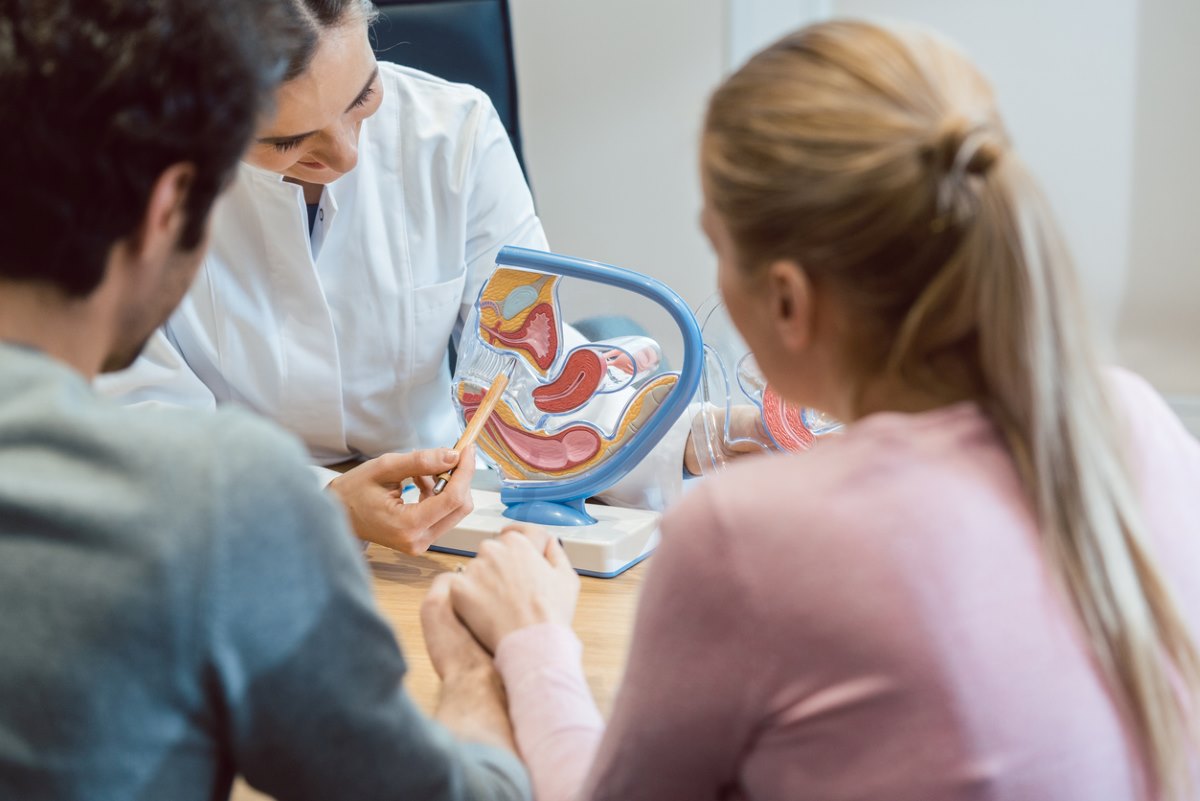
Infertility is something that many couples struggle with. The Centers for Disease Control (CDC) suggests that approximately 1 in 5 couples are unable to get pregnant after one year of trying. Infertility can also be a considerable source of pain, anxiety, and stress as the process itself can start to take its toll. While trying to conceive can be complex and challenging, knowing the possible causes, risks, and potential treatment options is helpful.
What is Infertility?
Infertility is defined as the inability to conceive after a year or more of regular, unprotected sex. It is important to note that infertility does not imply a permanent inability to have children but rather a difficulty or delay in achieving pregnancy. Infertility can stem from various factors related to either partner’s reproductive system, lifestyle, or underlying health conditions.
Causes of Infertility
Infertility can occur for many reasons. For example, infertility may be caused by ovulatory disorders, endometriosis, low sperm count, or low testosterone. Here is a list of potential causes of infertility for both men and women.
Women
- Hormonal Imbalances
- Ovulation Disorders (Such As Polycystic Ovary Syndrome – PCOS)
- Fallopian Tube Damage or Blockage
- Endometriosis
- Uterine or Cervical Issues
- Being Underweight
- Age
Men
- Low Sperm Count
- Poor Sperm Motility (Movement)
- Hormonal Imbalances, Genetic Factors
- Age
Tests and Diagnosis
Upon suspecting infertility, both partners should undergo comprehensive evaluations to determine the possible cause. This will help determine the best management option. Your doctor will speak to you about the most suitable type of testing for you and/or your partner to undertake. Tests to find the cause of infertility will differ between men and women.
Women may undergo one or more of the following tests:
- Pelvic exam
- Hormone testing
- Ultrasound scan
- Hysterosalpingography (to check for blocked fallopian tubes)
Men may undergo one or more of the following tests:
- General physical examination and medical history
- Hormone testing
- Semen analysis to assess sperm quantity, quality, and motility
- Scrotal or transrectal ultrasound
Management Options
Treatment for female or male infertility often involves addressing underlying causes, and management options range from medications to potential surgical procedures. The most effective treatment will depend on a number of factors, including medical history, physical health, and personal preference.
Any potential management will involve a detailed discussion with your doctor to help you and your partner decide the best course of action. It will also involve discussing the risks, benefits, and potential chances of success. Management options for infertility include the following:
- Medications to Induce Ovulation – Medications that regulate or stimulate ovulation are known as fertility drugs. Fertility drugs are the main treatment for women who are infertile due to ovulation disorders. Such drugs include Clomiphene citrate and Gonadotropins.
- Invitro Fertilization (IVF) – A type of fertility treatment where eggs are combined with sperm outside of the body in a lab. The fertilized eggs (embryos) are then directly placed into the uterus. Pregnancy happens if any of the embryos implant in the lining of the uterus.
- Intrauterine Insemination (IUI) – During an intrauterine insemination (IUI) procedure, sperm is placed directly into the uterus using a small catheter. This treatment improves the chances of fertilization by increasing the number of healthy sperm that reach the fallopian tubes.
- Varicocele Surgery – Some men need surgery to open blockages in the tubes that carry sperm or to repair structural problems. Varicocele surgery can make sperm healthier and improve the odds of conception.
- Lifestyle Modifications – Lifestyle medications for both partners may be recommended. This advice may be related to stopping smoking, making dietary changes, increasing exercise, and limiting alcohol intake. Sometimes, these small changes make a meaningful difference.
Ways to Track Fertility
Tracking your fertility to determine when you are in your most fertile period can improve your odds of conceiving. These may include:
- Track ovulation through basal body temperature using a fertility tracking app, and note the texture of your cervical mucus.
- Use a home ovulation kit to help predict ovulation. These kits can be purchased at most drug stores.
Increasing your chances of conceiving
You and your partner can use some of these steps to help increase your chances of conception.
- Diet – Eat a well-balanced diet and maintain a healthy weight.
- Smoking – If either of you smoke, it is best to stop as soon as possible. Seek advice from your doctor if needed.
- Alcohol – Limit or stop alcohol intake if possible.
- Stay physically active by starting an exercise regimen.
Lastly, be mindful that delaying conception till an advanced age can make becoming pregnant more difficult.
Infertility has emotional, physical, financial, and psychological effects, so if you and your partner are actively trying to conceive, don’t forget to practice self-care. Be patient and supportive of one another throughout this process. Sometimes, sharing your feelings with people who understand what you’re going through can also be helpful. If needed, get advice from a medical professional (sooner rather than later), surround yourself with a supportive family, and stay positive.
References
https://www.cdc.gov/reproductivehealth/infertility/index.htm
https://www.cdc.gov/reproductivehealth/infertility/index.htm
https://www.mayoclinic.org/diseases-conditions/male-infertility/diagnosis-treatment/drc-20374780
https://www.mayoclinic.org/diseases-conditions/female-infertility/diagnosis-treatment/drc-20354313