
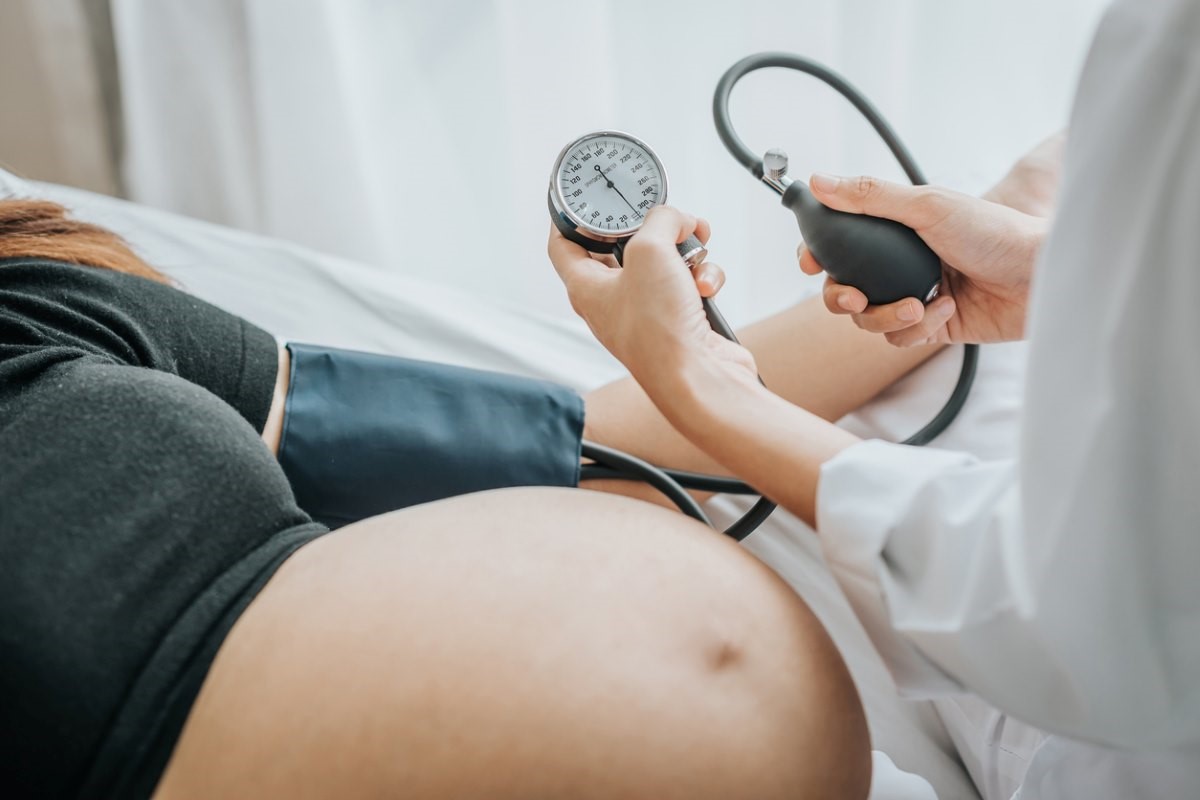
Hypertension, or high blood pressure, has become an increasingly common issue among pregnant individuals. A study published in September 2024 in the journal Hypertension highlights a concerning trend: rates of chronic hypertension in pregnancy have doubled, increasing from 1.8% in 2008 to 3.7% in 2021. While this may seem like a small percentage, the increase has significant implications for maternal and fetal health.
Why is Hypertension a Concern in Pregnancy?
High blood pressure can pose serious risks during pregnancy, affecting both the mother and baby. When left untreated, hypertension can lead to severe complications, including:
- Preeclampsia: A condition that can cause damage to organs, especially the liver and kidneys, and can lead to serious complications if not managed.
- Placental Abruption: High blood pressure can cause the placenta to separate from the uterus too early, which can lead to bleeding, preterm birth, or even stillbirth.
- Stillbirth: Severe, uncontrolled hypertension may increase the risk of fetal loss.
These risks highlight the importance of recognizing and managing hypertension early during pregnancy.
Factors Behind the Rise in Hypertension Rates
The study attributes this rise in pregnancy-related hypertension to a combination of factors:
- Increased Obesity Rates: Obesity has become more common in recent years, and it is a known risk factor for hypertension. Excess weight can increase stress on the cardiovascular system, raising blood pressure.
- Delayed Pregnancies and Lifestyle Diseases: Many people are choosing to have children later in life. While this choice has benefits, it also means that expecting parents are often at a higher risk for lifestyle diseases, including hypertension, diabetes, and heart disease, which can complicate pregnancy.
- Lack of Pre-Pregnancy Diagnoses: Some individuals may have undiagnosed high blood pressure before pregnancy, which goes unaddressed until prenatal visits. Early screening and intervention could help manage these cases more effectively.
The Treatment Gap: Only 60% Receive Antihypertensive Treatment
Despite the rising rates, only about 60% of pregnant individuals with hypertension receive antihypertensive treatment. This gap in treatment is concerning because untreated hypertension puts both the mother and baby at risk. Regular blood pressure monitoring and, when necessary, safe and effective medication can help manage high blood pressure during pregnancy, reducing the likelihood of complications.
Expert Recommendations for Reducing Hypertension Risks in Pregnancy
Experts emphasize that expecting parents can take proactive steps to reduce hypertension-related risks. Here are some recommended lifestyle changes and preventive measures:
- Reduce Sodium Intake: Eating a diet low in sodium can help manage blood pressure levels. Processed foods, canned goods, and fast food are often high in salt, so focusing on fresh, whole foods is beneficial.
- Regular Exercise: Gentle exercise, as approved by a healthcare provider, can help maintain healthy blood pressure levels and reduce the risk of hypertension. Activities like walking, swimming, and prenatal yoga are great low-impact options.
- Healthy Weight Gain: Gaining a healthy amount of weight during pregnancy is essential. While some weight gain is normal and necessary, maintaining a balance is important to avoid additional strain on the cardiovascular system.
- Routine Prenatal Care: Regular prenatal visits help ensure early detection and management of hypertension or other conditions that may arise. Prenatal check-ups offer an opportunity for healthcare providers to monitor blood pressure and provide timely treatment if necessary.
- Accurate Diagnosis Before Pregnancy: If you’re planning to conceive, consider a pre-pregnancy health check-up. Addressing and managing hypertension beforehand can help ensure a safer, healthier pregnancy.
The Importance of Awareness and Monitoring
Awareness is the first step in managing hypertension during pregnancy. If you or someone you know is expecting, understanding the risks associated with high blood pressure and taking preventive steps can make a positive difference. Regular monitoring, a healthy lifestyle, and open communication with healthcare providers are essential components for a safer pregnancy journey.
If you have any concerns about hypertension and pregnancy, contact your OB/GYN for personalized guidance and support. Together, we can work toward ensuring a healthy pregnancy and delivery.
References
- Leonard SA, Siadat S, Main EK, et al. Chronic hypertension during pregnancy: prevalence and treatment in the United States, 2008-2021. Hypertension. 2024;81(8):1716-1723. doi:10.1161/HYPERTENSIONAHA.124.22731