A cesarean delivery, or C-section, is a common and often lifesaving procedure. While it ensures the safe arrival of your baby, it is also major surgery. Recovery takes time, patience, and support. Understanding what to expect can make healing less stressful and help you know when to reach out for care.
Here, we explore the typical recovery timeline after a C-section, what symptoms are normal, how to support healing, and when to call your provider for additional care.
The Immediate Recovery Period
Right after delivery, you will spend a few hours in a recovery room while anesthesia wears off. Nurses monitor vital signs, bleeding, and pain levels. Feeling groggy, shaky, or nauseous is normal. Most women stay in the hospital for two to four days, depending on how they are healing.
During this time, you’ll be encouraged to begin moving, even if only sitting up or taking short walks. Movement helps prevent blood clots and supports circulation. You’ll also learn how to care for your incision and manage pain as your body adjusts. For more on what happens after delivery, visit our postpartum care page.
Pain Management and Incision Care
Discomfort is expected after a C-section, especially around the incision and abdomen. Pain typically peaks in the first few days and improves over several weeks. Your provider may prescribe medication that is safe for breastfeeding. If you have allergies or sensitive skin, let your provider know so they can recommend safe pain and incision care options.
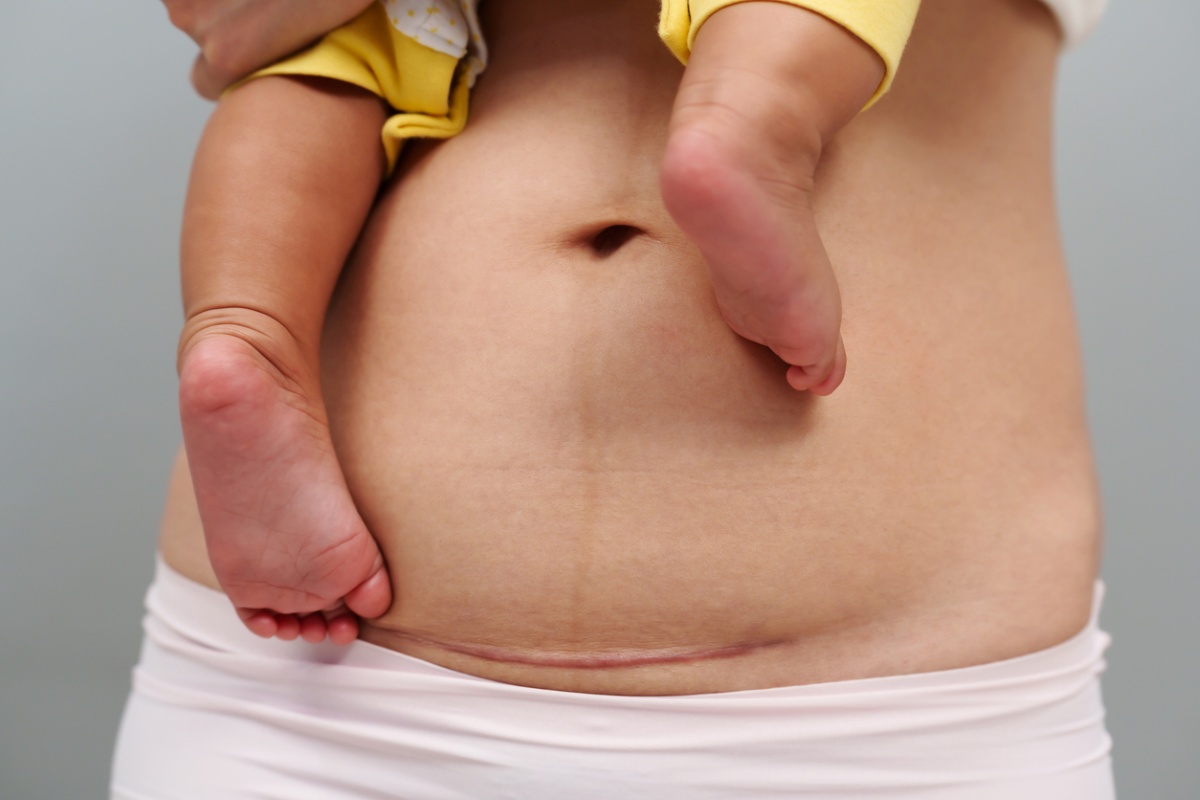
Keeping the incision clean and dry helps reduce infection risk. Most women are advised to gently wash with mild soap and water, pat dry, and avoid tight clothing that may rub against the scar.
Physical Recovery Timeline
Recovery from a C-section generally takes longer than recovery from a vaginal delivery. While every woman is different, the timeline often looks like this:
- First two weeks: Expect soreness, fatigue, and limited mobility. You may need help lifting, bending, and caring for your baby. Short walks are encouraged, but avoid heavy lifting and strenuous activity.
- Weeks three to six: Energy and mobility gradually increase. Incision discomfort decreases, and daily tasks become easier. Your provider may clear you for light exercise and driving during your postpartum checkup.
- After six weeks: Many women feel significantly better, though full recovery can take up to three months. The incision will continue to heal and fade, although numbness or sensitivity may persist.
Recovery requires patience. Healing from surgery while caring for a newborn is a major undertaking, so give yourself grace.
Emotional Aspects of Recovery
The postpartum period can be emotionally intense. Recovering from a C-section may add extra stress. Some women feel disappointed if their birth experience differed from expectations. Others may feel anxious about healing or frustrated by physical limitations.
These feelings are normal. Talking with your support system or your provider can help. If sadness, anxiety, or difficulty bonding persists, it may be a sign of postpartum depression. Our page on postpartum depression offers more insight and support.
Supporting Healing at Home
Daily habits play a large role in recovery. Prioritize rest whenever possible. Accept help with meals, chores, and baby care so you can focus on healing.
Nutrition also supports recovery. Balanced meals with lean proteins, whole grains, fruits, and vegetables promote tissue repair. Staying hydrated is essential, especially if you are breastfeeding. Gentle movement, such as short walks, supports circulation and reduces stiffness. Continuing your prenatal or postnatal vitamins can also help.
Some women find comfort using a postpartum support belt to ease abdominal pressure. Always listen to your body and avoid pushing yourself too quickly. For women navigating breastfeeding during recovery, explore our breastfeeding resources.
When to Call Your Doctor
While most women recover without complications, certain symptoms require prompt evaluation. Contact your provider immediately if you experience:
- Redness, swelling, or pus at the incision
- Fever or chills
- Severe abdominal pain unrelieved by medication
- Heavy vaginal bleeding or large clots
- Painful or burning urination
- Difficulty breathing or chest pain
- Leg swelling or pain, which may indicate a blood clot
A foul odor from vaginal discharge or the incision may also be a sign of infection. When in doubt, call your provider—early evaluation prevents complications.
Preparing for the Postpartum Period
Recovery continues long after you return home. The postpartum period involves healing, adjustment, and learning. Make sure you have support available, whether from a partner, family, or trusted friends. Planning ahead for meals, rest, and baby care helps ease the transition.
Your postpartum checkup—usually around six weeks—allows your provider to assess your healing, discuss family planning, and address any lingering symptoms. Learn more about what to expect on our postpartum care page.
Long-Term Recovery and Scar Care
Most C-section scars heal well, gradually fading to a thin line. Gentle scar massage after the incision has fully healed can improve flexibility and reduce sensitivity. Some women experience numbness around the incision for months, but this generally improves.
Women planning future pregnancies may also benefit from learning about VBAC counseling, which covers options for vaginal birth after cesarean when appropriate.
Schedule your appointment with MyOBGYN today to discuss your postpartum recovery, ask questions about C-section healing, and receive support as you transition into motherhood.