What Bloating Is and Why It Happens
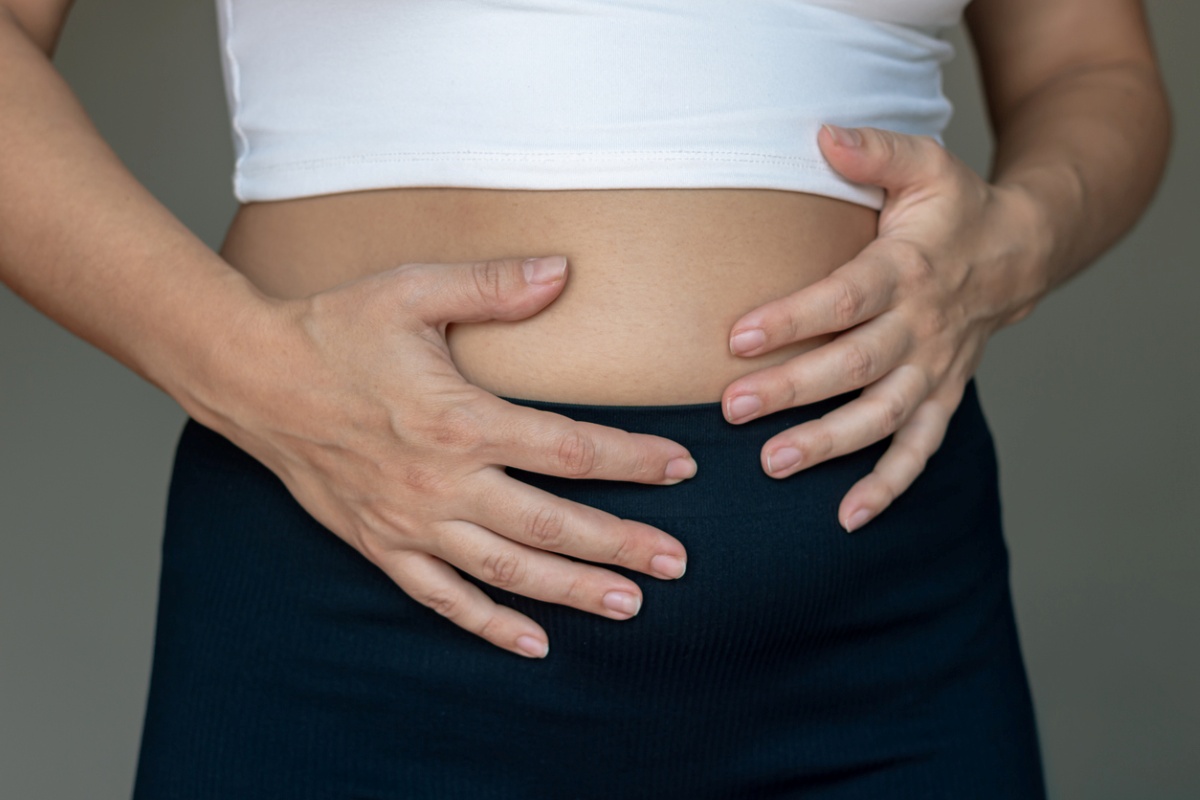
Bloating can make your stomach feel tight, full, or swollen. If you are asking, “Why am I so bloated?” you are not alone. Bloating is common in women, and it can be linked to digestion, hormones, stress, and a few medical conditions.
The good news is that many causes of bloating improve once you identify the pattern. Below are common reasons women feel bloated, what can help, and when it is time to get checked.
Bloating usually stems from one or more of these issues:
- Gas buildup from swallowed air or gut bacteria breaking down certain foods
- Constipation or slow digestion, which traps gas and pressure
- Fluid shifts, which often happen with hormonal changes
- Gut sensitivity, where normal stretching feels uncomfortable
- Inflammation or irritation in the digestive tract
Bloating can present as burping, gas, cramping, or changes in bowel habits, but it can also occur on its own.
Common Causes of Bloating in Women
1) Hormonal Changes
Many women notice bloating in the days before their period. Hormone changes can affect fluid retention and how quickly the intestines move. Some people also get more constipated before or during their period, which can add to the swollen feeling.
A helpful clue is timing. If bloating shows up at the same point in your cycle most months, hormones may be a major trigger. Women in perimenopause may also notice increased bloating as hormone levels begin to fluctuate.
2) Constipation
Constipation is one of the most common reasons for bloating. It can mean hard stools, straining, or feeling like you did not fully empty your bowels. When stool moves slowly, the gut has more time to produce and trap gas.
3) Eating Habits and Swallowed Air
Eating quickly, eating large meals, chewing gum, drinking through a straw, or drinking carbonated beverages can increase swallowed air and gas. Some people also bloat when they skip meals and then eat a big meal later.
4) Food Intolerances and Fermentable Carbs
Some carbohydrates are harder to digest and are not easily absorbed by the small intestine, causing gas and bloating. These are often called FODMAPs. Common triggers include certain fruits and vegetables, beans, wheat, dairy for people with lactose intolerance, and foods with sugar alcohols like sorbitol or xylitol.
This does not mean those foods are unhealthy. It means your body may be more sensitive to them, especially at higher doses or under stress.
5) Irritable Bowel Syndrome (IBS)
IBS is a common condition that often includes bloating plus abdominal pain and changes in bowel habits, like constipation, diarrhea, or both. Many women notice IBS symptoms flare around their menstrual cycle.
If you have bloating along with recurring pain and stool changes, IBS is one possible explanation, but it is still important to rule out other causes.
6) Stress, Sleep, and the Gut
Stress can affect how the gut moves and how sensitive it feels. Poor sleep, travel, and schedule changes can also disrupt digestion. Many people notice bloating is worse during stressful periods, even when their diet stays the same.
7) Reflux or Indigestion
Sometimes bloating is part of upper digestive discomfort. You might feel overly full after a normal meal, burp often, or notice nausea or a burning sensation.
8) Medications and Supplements
Some medications and supplements can contribute to bloating or constipation, including certain iron supplements and some pain medications. Hormonal birth control can also affect fluid retention for some women. If symptoms started after a new medication or dose change, mention it at your next visit.
What Helps with Bloating
Because bloating has different causes, the best plan depends on your pattern. These strategies help many women and are safe starting points.
Start with simple daily shifts.
- Hydrate consistently. Water supports digestion and stool movement.
- Eat more slowly. Slowing down can reduce swallowed air.
- Choose smaller, balanced meals. Large meals can worsen pressure.
- Move your body most days. A short walk after meals can help gut motility.
- Increase fiber gradually. A sudden jump can increase gas.
If Constipation Is Part of the Picture
For two weeks, focus on three basics: fluids, gradual fiber from foods, and daily movement. If constipation is persistent, painful, or new, ask your clinician for guidance rather than trying multiple products on your own.
If You Suspect Food Triggers
Keeping a food and symptom log for 1 to 2 weeks can help you spot patterns. Look for links between bloating and dairy, certain carbs, large high-fat meals, and sugar alcohols. If you suspect IBS or FODMAP sensitivity, a structured plan is often more effective than random elimination.
If Bloating Is Mostly Premenstrual
It may help to keep hydration and movement consistent in the week before your period and limit very salty foods if you notice fluid retention. Tracking symptoms for a few cycles can make patterns clearer.
A Note on Probiotics and Supplements
Some people feel better with probiotics, while others notice no change or more gas at first. Effects vary by product and by person. If you try one, use a reputable brand and give it a short trial. Stop if symptoms worsen or do not improve. If you are pregnant, trying to conceive, or managing other health conditions, check with your clinician before starting supplements.
When to Seek Medical Attention for Bloating
Bloating is often benign, but certain symptoms should be evaluated. Contact a clinician promptly if you have:
- Bloating that is new and persistent (lasting weeks)
- Unexplained weight loss
- Blood in the stool or black stools
- Severe or worsening abdominal pain
- Persistent vomiting or fever
- New constipation or diarrhea that does not improve
- Feeling full very quickly with meals on a regular basis
- Bloating with pelvic pain, abnormal bleeding, or pain during sex
How Your OB/GYN Can Help
Bloating is not always a GI issue. An OB/GYN can be a good starting point when symptoms overlap with periods, pelvic discomfort, hormonal changes, or reproductive health.
At a well-woman visit, your provider may review your symptoms, cycle timing, diet, bowel habits, and medications. They may recommend next steps such as targeted testing, imaging when appropriate, or a referral to a GI specialist if needed. The goal is a clear plan instead of guesswork.
A Smarter Way to Handle Recurring Bloating
Frequent bloating should not be something you have to endure. Start with consistent daily habits, track patterns with your cycle and meals, and watch for red flags. If symptoms persist or interfere with your life, it is time to talk with a provider.
If you are dealing with ongoing bloating and want answers, schedule an appointment with MyOBGYN. We can help you narrow down likely causes, rule out concerns, and choose next steps that fit your symptoms and your health goals.