
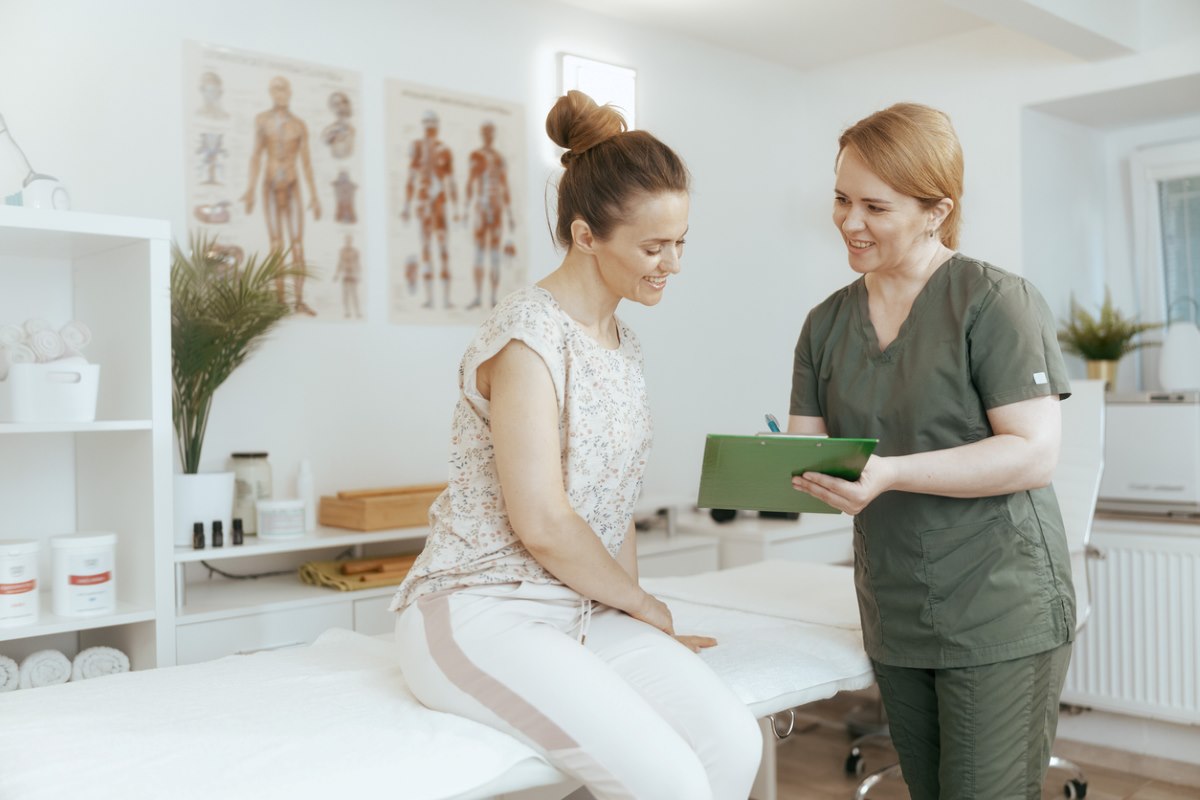
Wellness exams are a proactive step in managing your healthcare. These exams are meant to be preventative. So unlike standard appointments where you speak to the doctor about a specific problem, wellness exams are semi-yearly appointments where your overall health and wellness are the main topics. Wellness exams usually focus on breast and gynecological health, but they also encompass broader health concerns. A wellness exam is also a good opportunity to discuss any recent health issues that you’ve been experiencing.
What Is a Wellness Exam?
A wellness examination is a yearly or bi-yearly health exam for women of all ages. The exam aims to spot any potential medical issues early on. For example, a wellness exam may include topics of discussion such as:
- Pregnancy and/or Fertility
- Contraception
- Nutrition and Weight
- Emotional and Mental Health
- Heart Health
- Sexual Wellness
Wellness exams can be tailored to you and your specific health needs. Your doctor will always consider your personal medical history, current health status, and age-related health concerns. This allows for personalized care and guidance.
Who Needs a Wellness Exam?
It is generally recommended that after age 21, women should try and attend yearly wellness exams with their doctor.
What Makes a Wellness Exam Important?
A wellness exam is important for the following reasons:
- Preventive Care – Regular wellness exams are proactive. They allow your doctor to detect and address problems before they become more serious. They also give you the opportunity to bring up issues that may have been missed or overlooked in the past.
- Health Monitoring – Wellness exams help in monitoring and assessing your overall health, including vital signs, weight, and any changes in your body. They allow you to discuss any concerns or symptoms you might be experiencing.
- Early Detection of Conditions – Screenings may be included as part of your wellness exam -or scheduled for an upcoming time. These screenings may be pap smears, breast exams, and blood pressure checks. All of these help in the early detection of conditions such as cervical cancer, breast abnormalities, and high blood pressure.
- Health Promotion – Wellness exams are about more than just identifying problems. They’re also about promoting healthy habits and wellness. Your doctor can offer advice on nutrition, exercise, mental health issues, and other lifestyle factors contributing to your overall health.
What Happens in a Wellness Exam?
A wellness exam is composed of a medical history and a physical examination.
History Portion
- Your doctor may ask about current medications, menstruation abnormalities, or the presence of any new symptoms. They might also inquire about any long-term medical conditions.
- Your doctor may ask about specific concerns such as high blood pressure, diabetes, or contraception for those interested in family planning.
Physical Examination
The physical examination is tailored to each patient and their specific medical history. It may include one or more of the following elements:
- Measurement of your height, weight, and vital signs (temperature, blood pressure, heart rate).
- Pelvic examination and/or speculum
- Breast examination to look for any lumps, skin changes, or dimpling of the nipple
- Pap smear (if required). A pap smear is a procedure used to test for cervical cancer in women. It is recommended that all women aged 21-65 get a pap smear once every three years.
It is important to note that depending on your situation, different elements of the exam may or may not be required.
Are diagnostic tests needed?
The wellness exam itself does not usually include imaging or diagnostic tests. Still, based on the results of the exam or as part of routine testing, your doctor may recommend one or more of the following:
- Routine blood tests
- Hormone or thyroid testing
- EKG (Heart rhythm tracing)
- Diabetes test
- Ultrasound scan
Any tests that are recommended will always be explained in full. It is important that you have a good understanding of why a test may or may not be needed.
How long the exam lasts
The examination is usually carried out by an OBGYN or nurse practitioner. They are there to answer all your questions and ensure you feel comfortable. The exam typically takes around 20 to 45 minutes. However, the time may vary. If more time is needed, your doctor will inform you beforehand.
If you want extra support, you’re welcome to bring along a friend or family member.
Preparing for the exam
- No special preparation is needed prior to the exam. Just make a note of any questions you have and bring along a list of your current medications.
- It is recommended that women not douche or use vaginal creams 24 hours prior to the exam.
- If you have your period on the day of the exam, it is still okay for the healthcare provider to perform a pelvic exam. However, most doctors encourage you to schedule your exam for a day when you aren’t menstruating.
A yearly wellness exam is an important part of maintaining good health by providing a comprehensive assessment of your overall wellness and reproductive health. Schedule a wellness exam with your doctor as soon as possible.