Uterine fibroids are noncancerous growths that develop in or on the uterus. They are extremely common, affecting up to 80% of women by the age of 50, and many women have them without ever knowing. For others, fibroids can cause heavy periods, pelvic pressure, pain, or fertility concerns that can interfere with daily life.
Because fibroid symptoms can overlap with other gynecologic issues, it helps to understand what they are, how they show up, and what your options look like if treatment becomes necessary.
What Are Uterine Fibroids?
Fibroids are growths made of muscle and fibrous tissue. You may also hear them called leiomyomas or myomas. They can be as small as a seed or large enough to change the shape of the uterus.
They can grow in different spots. Some develop inside the uterine wall, some on the outer surface, some within the uterine cavity, and some attach to the uterus by a stalk. Where a fibroid grows is important because location often drives the type of symptoms you experience.
For example, fibroids that press into the uterine cavity are more likely to cause heavy bleeding. Fibroids on the outer surface tend to cause more pressure-related symptoms.
Why Fibroids Develop and Who Is at Risk
Fibroids are closely linked to the hormones estrogen and progesterone, which is why they tend to grow during the reproductive years and often shrink after menopause. Genetics also play a role. If close family members have had fibroids, your risk may be higher.
There is no single cause, and having fibroids does not mean you did anything wrong. They are one of the most common gynecologic conditions, and in most cases, they are manageable.
Common Symptoms of Uterine Fibroids
Some women have fibroids and never notice them. Others develop symptoms that build gradually over time.
Heavy or prolonged periods are one of the biggest signs of uterine fibroids. You may notice that you are soaking through pads or tampons faster than before, bleeding longer than usual, or passing clots. Over time, heavy bleeding can lead to iron-deficiency anemia, which causes fatigue, dizziness, and shortness of breath.
Pelvic pressure is another common complaint. Fibroids can make the lower abdomen feel full or heavy. If they press on the bladder, you may need to urinate more often. If they press on the bowel, constipation may get worse.
Pain varies from person to person. Some women have more intense cramping during periods. Others have pelvic pain that is not tied to their cycle at all. Fibroids can also cause discomfort during sex, especially with deep penetration.
Fibroids and Fertility
Many women with fibroids become pregnant without difficulty. However, fibroids can sometimes get in the way depending on their size and location.
Fibroids that change the shape of the uterine cavity may make it harder for an embryo to implant or may raise the risk of miscarriage. Large fibroids can also affect blood flow within the uterus or shift the position of nearby organs.
During pregnancy, fibroids may grow due to hormone changes. They can also increase the chance of certain complications like preterm labor or the need for a cesarean delivery, depending on the situation.
If you are trying to conceive or planning a future pregnancy and know you have fibroids, speaking with your OB/GYN about a personalized plan is a good step. Preconception counseling can help you understand how fibroids may affect your path to pregnancy.
How Fibroids Are Diagnosed
A fibroid evaluation usually starts with a conversation about your symptoms. Your provider will ask about bleeding patterns, pain, pressure, urinary changes, and whether symptoms are affecting your daily routine.
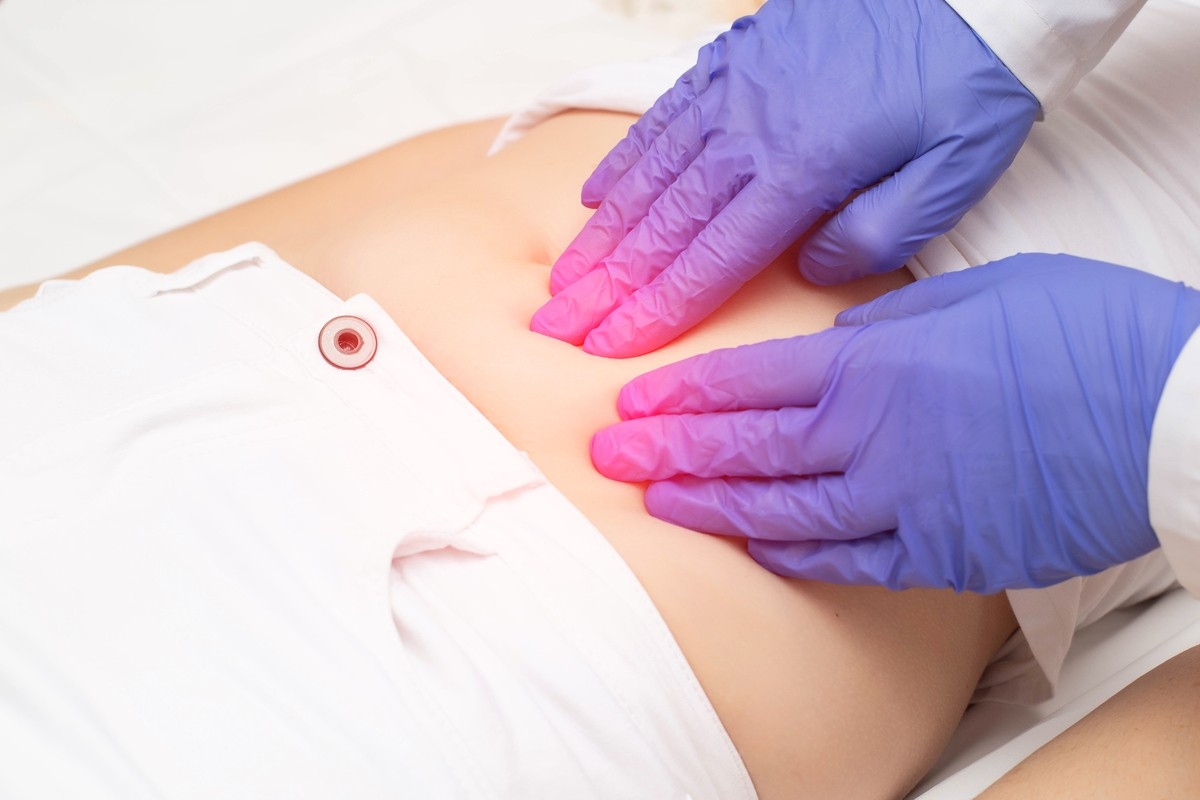
A pelvic exam can sometimes detect a uterus that feels enlarged or irregular, but imaging is usually needed to confirm the presence of fibroids and pinpoint their size and location. An ultrasound is a common first step.
If heavy bleeding is part of the picture, lab work to check for anemia and iron levels may also be recommended.
Treatment Options for Uterine Fibroids
Not all fibroids need treatment. Many women can safely monitor them if symptoms are mild and fibroids are not affecting fertility or quality of life.
Treatment becomes more important when fibroids cause heavy bleeding that leads to anemia, ongoing pelvic pressure, persistent pain, or fertility concerns. It is also worth noting that treatment does not always mean that you will need surgery. Many women start with symptom management and adjust the plan over time.
There are several medications that can help with bleeding and pain. Anti-inflammatory medications reduce cramping, and some non-hormonal options can ease heavy menstrual flow. Hormonal treatments may also help regulate cycles for some women. In certain cases, short-term medications can temporarily shrink fibroids as part of a larger care plan.
When symptoms are more severe or fertility is affected, surgical options may be considered. A myomectomy removes fibroids while keeping the uterus intact, which is often important for women who want a future pregnancy. The surgical approach depends on the fibroid’s location and size.
For women who do not want future pregnancy and have severe symptoms, a hysterectomy permanently removes fibroids and prevents them from returning. It is not the right fit for everyone, but it can offer lasting relief.
Your OB/GYN can help you weigh the benefits, recovery, and fertility considerations of each option.
When to Call Your Provider
Some symptoms call for prompt attention. Reach out to your provider if you experience:
- Heavy bleeding that soaks through a pad or tampon every hour for several hours
- Lightheadedness, fainting, or extreme fatigue, which may signal anemia
- Sudden or severe pelvic pain, especially if it is new or getting worse
These symptoms do not always mean an emergency, but they deserve timely evaluation.
Taking the Next Step Toward Relief
Fibroids can feel disruptive, but treatment is available. Whether you need help understanding a new diagnosis, managing heavy periods, or planning for pregnancy, an evaluation and personalized treatment plan can make a real difference.
Schedule an appointment with MyOBGYN to discuss fibroid symptoms and explore treatment options that fit your life. Book online or call (702) 463-2981.