Trying to navigate the emotional, physical, and hormonal changes that mark menopause is not always easy. Various management options are used to help lessen the symptoms of menopause, and one of those options is paying a little more attention to the types of food and nutrients you consume. A menopause diet is not a replacement for other treatment options. Instead, it can be used as a guide to help figure out which nutrients can positively impact your hormonal balance and well-being. So, as menopause unfolds and symptoms arise, embracing a diet rich in certain nutrients can be an important part of managing symptoms and ensuring a healthier transition.
The Foundation of a ‘Menopause Diet’
At the core of the menopause diet is the idea of helping your body maintain hormonal balance. Fluctuating hormone levels, specifically estrogen and progesterone, often lead to the disruptive symptoms that are the hallmark of menopause. Therefore, incorporating certain nutrients into your diet can aid in stabilizing these hormonal shifts and reducing the severity of symptoms. The following are some key nutrients and food groups that make up a good menopause diet.
Calcium and Vitamin D
During menopause, women will experience declining estrogen levels, bone mass, and bone density. This leaves bones more prone to fracture, and in the post-menopausal era, women are at higher risk for osteoporosis. Although postmenopause is still a few years away, the sooner bone health is built up, the better. For this reason, consuming a diet rich in Calcium and Vitamin D is important.
Dairy products like milk, yogurt, cheese, and leafy greens, such as kale and spinach, are excellent sources of calcium. Also, soaking in sunlight or consuming fortified foods can increase Vitamin D intake.
Omega-3 Fatty Acids
The North American Menopause Society has linked an increased intake of omega-3 fatty acids to a decreased severity of hot flashes and joint pains in menopausal women. Additionally, Omega-3 fatty acids are also known as the ‘good’ type of fat and can act to help lower your blood pressure. They also possess anti-inflammatory properties that may help alleviate joint pains experienced during menopause.
Omega-3 fatty acids are found in fatty fish like salmon, chia seeds, and flaxseed.
Phytoestrogens
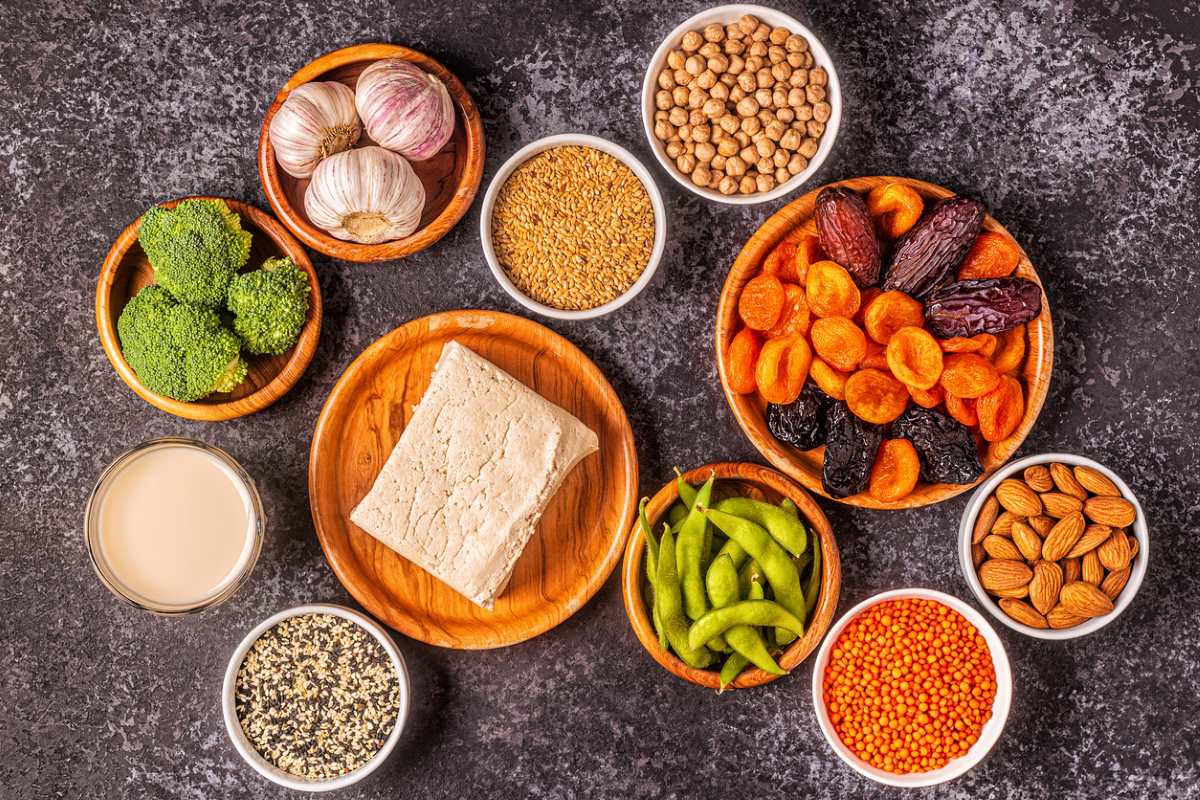
A study published in the Journal of the Academy of Nutrition and Dietetics found that women consuming higher amounts of phytoestrogens had reduced menopausal symptoms. Phytoestrogens are plant-based compounds resembling estrogen that can mimic the hormone’s effects in the body. Incorporating foods like soy products, flaxseed, and legumes may relieve hot flashes and other symptoms of menopause.
Phytoestrogens can be found in soy products, sesame seeds, legumes, and whole grains.
Fiber
Fiber holds particular importance for menopausal women. It aids in digestion and helps alleviate digestive issues commonly experienced during this phase, such as bloating and constipation. Increasing fiber intake can contribute to better gut health and overall comfort.
Additionally, higher intakes of fiber can help lower the risk of colorectal cancer, heart disease, and gastrointestinal issues like diverticulitis, constipation, and hemorrhoids.
Foods high in fiber include apples, avocados, bananas, potatoes, lentils, and oats. Nutrition experts recommend 25g of fiber a day for regulating digestion.
Fruits and Vegetables
Menopausal women benefit significantly from eating diverse vitamins, minerals, and antioxidants found abundantly in fruits and vegetables. These include:
Vitamin C – Present in citrus fruits, strawberries, and bell peppers. Vitamin C supports immune function and assists in the absorption of iron.
Vitamin K – Found in leafy greens like spinach and kale, Vitamin K contributes to bone health and helps in calcium regulation, which is essential during menopause to reduce the risk of osteoporosis.
Folate (Vitamin B9) – Avocados, broccoli, and oranges are good sources of folate, which is crucial for cell repair and DNA synthesis.
Potassium – Bananas, sweet potatoes, and leafy greens are rich in potassium, which aids in regulating blood pressure and potentially reduces the risk of heart disease, a concern for menopausal women.
Foods to Limit or Avoid
While certain foods can be beneficial during menopause, others can exacerbate symptoms. This includes:
- Caffeine and alcohol – may trigger hot flashes and disrupt sleep patterns.
- Spicy foods – can also intensify hot flashes.
- High-sodium foods – foods high in sodium, such as processed snacks, canned soups, and certain fast foods, should be moderated.
- Excessive red meat – while red meat can be a source of iron and protein, excessive consumption, especially of processed red meats like sausages or bacon, may increase the risk of heart disease.
- Excessive sugar and processed foods can contribute to weight gain and mood swings.
References
1) WebMD. High Blood Pressure Diet.
http://www.webmd.com/hypertension-high-blood-pressure/high-blood-pressure-diet#1
2) What You Should Know About Omega-3 Fatty Acids for Your Heart
https://www.menopause.org/docs/default-document-library/cardioeng.pdf?sfvrsn=2
3) Are Phytoestrogens Nature’s Cure for What Ails Us? A Look at the Research
DOI:https://doi.org/10.1016/S0002-8223(98)00223-5
https://www.jandonline.org/article/S0002-8223(98)00223-5/fulltext