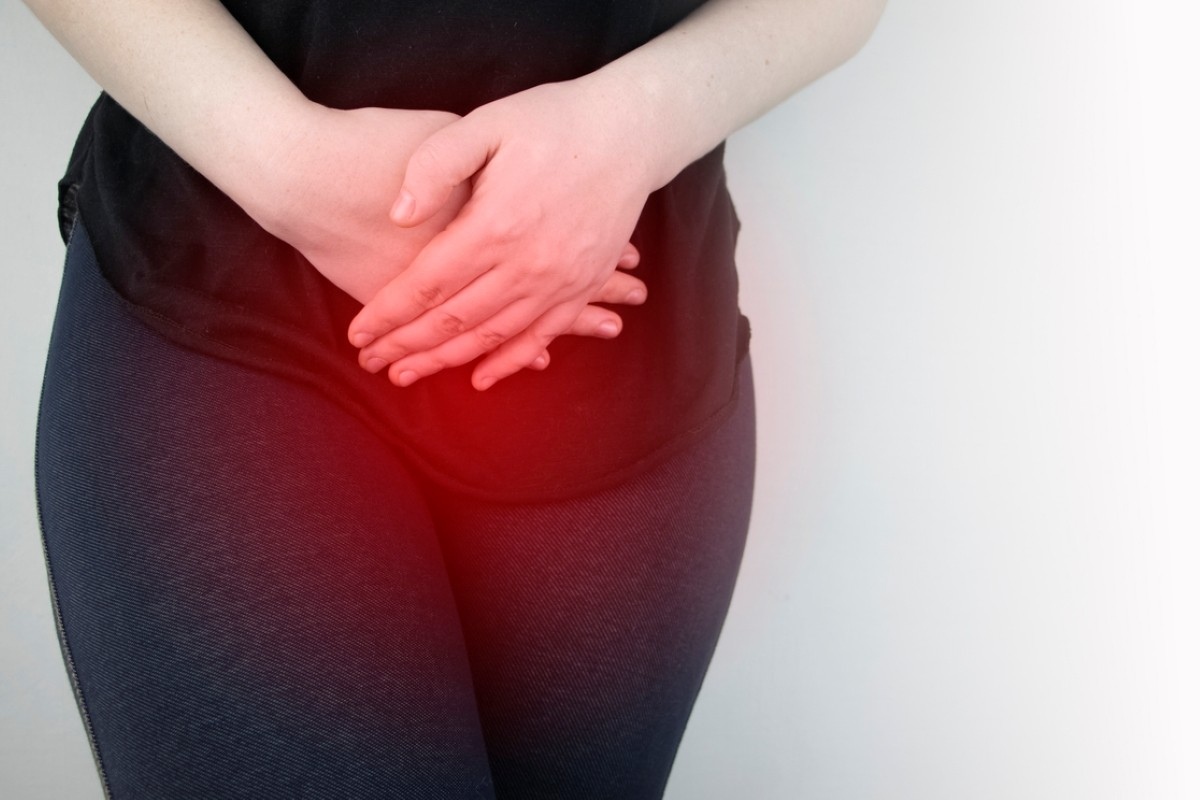
Vulvodynia is a condition that causes chronic pain, burning, or discomfort in the vulva, the outer area of the female genitals, without an identifiable cause like an infection or skin disease. The pain can last for three months or longer and may be constant or come and go. Despite affecting an estimated 8% to 10% of women at some point in their lives, vulvodynia often goes undiagnosed for years because it is frequently confused with other conditions.
What Vulvodynia Feels Like
The experience of vulvodynia varies from person to person. Some women feel a persistent burning or rawness that is present most of the time, while others notice pain only when the area is touched or when pressure is applied. The pain may be focused in one specific spot, often near the vaginal opening, or it may be spread across the entire vulvar area.
Everyday activities can become difficult. Sitting for long periods, wearing tight clothing, exercising, or even inserting a tampon may trigger or worsen the pain. Sexual intercourse is often painful, which can take a toll on intimate relationships and sexual health. Many women with vulvodynia also experience anxiety or depression related to their symptoms.
Why It Takes So Long to Get Answers
One of the most frustrating aspects of vulvodynia is how long it can take to get a correct diagnosis. Research suggests that many women see multiple providers over several years before receiving an answer. There are a few reasons for this.
Vulvodynia shares symptoms with several other conditions, and providers often need to rule those out first. Conditions commonly confused with vulvodynia include:
- Yeast infections or bacterial vaginosis
- Skin conditions like lichen sclerosus or contact dermatitis
- Sexually transmitted infections
- Pelvic floor muscle dysfunction
Because there is no single test that confirms vulvodynia, diagnosis is based on your reported symptoms, a careful physical exam, and the process of ruling out other causes. If standard treatments for infections or skin conditions are not helping your pain, that is an important clue that something else may be going on.
Treatment Options That Can Help
There is no one-size-fits-all cure for vulvodynia, but there are several treatment approaches that can reduce pain and improve quality of life. Your provider will likely recommend a combination of strategies based on your specific symptoms.
Pelvic floor physical therapy is one of the most effective treatments. Many women with vulvodynia have tight or overactive pelvic floor muscles without realizing it. A specially trained physical therapist can teach you exercises and techniques to relax those muscles and reduce pain over time. Women dealing with related concerns like chronic pelvic pain may also benefit from this approach.
Topical medications, such as lidocaine ointment, can help numb the area and make daily activities or intercourse more comfortable. For women experiencing painful intercourse, these topical treatments can be an important part of a broader management plan. Some providers prescribe low-dose tricyclic antidepressants or anticonvulsants, not for depression, but because these medications can help calm overactive nerve signals that contribute to chronic pain.
Lifestyle Changes That Make a Difference
Small adjustments to your daily routine can also help manage vulvodynia symptoms. Wearing loose-fitting cotton underwear without dyes or seams reduces irritation against sensitive skin. Switching to fragrance-free soaps, detergents, and personal care products can prevent flare-ups caused by chemical irritants.
When cleansing the vulvar area, warm water alone is usually enough. Avoid douches, scented wipes, and bubble baths. For women who experience pain during intercourse, it can be helpful to use a generous amount of water-based lubricant and communicate openly with your partner about comfort levels. Some women also find relief by applying a cool gel pack wrapped in a soft cloth to the area after activities that trigger pain. If you are also experiencing vulvar itching or irritation alongside pain, mention this to your provider, as it can help narrow the diagnosis.
You Deserve Answers and Relief
Living with unexplained vulvar pain can feel isolating, especially when previous providers cannot seem to pinpoint the problem. But vulvodynia is a real, recognized medical condition, and effective treatments are available. If you have been dealing with ongoing vulvar discomfort that has not responded to typical treatments, it may be time to talk with a provider who can evaluate you for vulvodynia.
Schedule an appointment with the team at MyOBGYN by visiting myobgynvegas.com/book-appt or calling (702) 463-2981. You do not have to keep living with pain that has no name.