
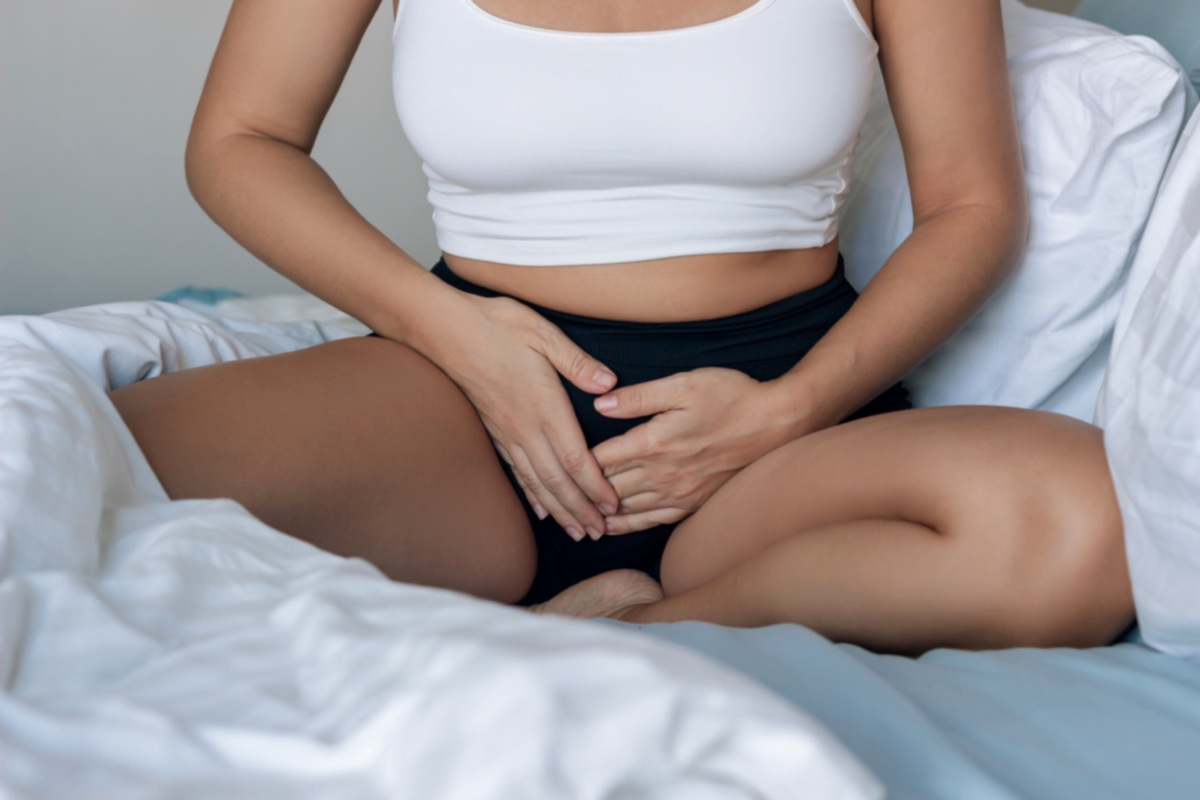
Urinary incontinence is common, especially as women age or go through major life changes like childbirth or menopause. It’s nothing to be embarrassed about, and more importantly, it’s something we can treat.
If you’ve been adjusting your lifestyle to manage leaks, you should know there are solutions that can help you feel more confident and in control.
What Is Urinary Incontinence?
Urinary incontinence is the loss of bladder control. It can range from a few drops of urine when you sneeze or laugh to a strong urge that results in an accident before you can get to the bathroom. Some women experience both. Bladder leakage may signal an underlying pelvic floor disorder, and is worth professional evaluation.
Incontinence can happen at any age, but it becomes more common during pregnancy, after childbirth, and as women go through menopause. Although it may feel like a normal part of aging, that does not mean it should be ignored or accepted without support.
There are several different types of urinary incontinence, each with different causes and treatment options.
Types of Urinary Incontinence
Understanding which type of incontinence you are experiencing helps us determine the best way to treat it. The most common types include:
Stress Incontinence
This happens when physical movement or pressure puts stress on the bladder. Leaks may occur during coughing, laughing, sneezing, running, or lifting. It is often caused by weakened pelvic floor muscles, which can occur after pregnancy, childbirth, or pelvic surgery.
Urge Incontinence
Also called overactive bladder, this involves a sudden, intense urge to urinate followed by involuntary leakage. You may find yourself using the bathroom more frequently or waking up multiple times during the night. It is often linked to nerve signals that misfire, triggering bladder contractions before it is full or ready.
Mixed Incontinence
Some women experience a combination of both stress and urge incontinence. This can make symptoms feel more unpredictable and frustrating.
Overflow Incontinence
This occurs when the bladder doesn’t empty fully, leading to frequent dribbling of urine. It is less common and may be related to nerve damage, blockages, or certain medications. This is more common in those with diabetes, spinal injuries, or after surgery.
What Causes Urinary Incontinence in Women?
Urinary incontinence is not caused by one single issue. Instead, it can result from a combination of physical changes, health conditions, and lifestyle habits. Some of the most common causes include:
- Pregnancy and childbirth: Pressure on the pelvic floor and potential nerve or muscle damage during delivery can weaken bladder control.
- Menopause: Lower estrogen levels can thin the lining of the bladder and urethra, reducing strength and support.
- Aging: Natural changes in connective tissue, estrogen levels, and neuromuscular control can increase incontinence risk.
- Chronic constipation: Straining during bowel movements puts extra pressure on the pelvic floor.
- Obesity: Extra weight increases pressure on the bladder and surrounding muscles.
- Certain medications: Diuretics, muscle relaxants, and sedatives can contribute to bladder leakage.
- Urinary tract infections: These can irritate the bladder and lead to temporary incontinence.
In some cases, incontinence may be a sign of an underlying health condition that needs to be addressed. That’s why it’s important not to self-diagnose. Talking with your provider can help you understand what’s happening and how to treat it.
How Incontinence Affects Daily Life
While urinary incontinence is a medical issue, its impact often goes far beyond physical symptoms. Many women with incontinence report feeling:
- Embarrassed or ashamed
- Anxious about leaving the house or being in social situations
- Frustrated with changes to clothing choices or hygiene routines
- Disconnected from their partners due to intimacy concerns
- Limited in their ability to exercise or stay active
You don’t have to live your life around the bathroom. Treatment options are available, and the sooner you seek care, the sooner you can start feeling more in control.
Diagnosis and Evaluation
At MyOBGYN, we begin with a thorough conversation about your symptoms, lifestyle, and medical history. From there, we may recommend:
- Physical exam: To check for signs of pelvic floor weakness or prolapse.
Bladder diary: A record of fluid intake, bathroom trips, and leakage episodes to help us identify patterns. - Urinalysis or urine culture: To rule out infection or other conditions.
- Post-void residual test: To see if your bladder is emptying fully.
- Pelvic ultrasound: To evaluate your bladder and surrounding structures.
Once we understand what is causing your symptoms, we can work together on a treatment plan that fits your needs and goals.
Treatment Options for Urinary Incontinence
You have more options than you might think. We take a step-by-step approach, starting with the least invasive options and moving toward more advanced treatments if needed.
Lifestyle and Behavioral Changes
These small adjustments can make a big difference:
- Bladder training: Gradually increasing the time between trips to the bathroom to build bladder strength.
- Timed voiding: Creating a schedule to avoid accidents.
- Fluid management: Reducing caffeine and alcohol intake and managing hydration.
- Weight loss: Even a modest reduction in weight can ease pressure on the bladder.
Pelvic Floor Exercises (Kegels)
Strengthening the muscles that support your bladder and urethra can improve control and reduce leakage. We may refer you to a pelvic floor physical therapist for more specialized training and support.
Medications
Certain medications can help relax the bladder or improve muscle tone, especially for urge incontinence. These may include anticholinergics or beta-3 agonists. We will discuss the risks, benefits, and side effects to find the right fit for you.
Vaginal Estrogen
For women experiencing menopause-related incontinence, vaginal estrogen therapy can help strengthen the tissues around the urethra and bladder. This treatment is localized, meaning it has minimal impact on the rest of the body.
Minimally Invasive Procedures
When conservative treatments are not enough, we may discuss more advanced options, such as:
- Urethral bulking agents: Injections that add volume to support the urethra and prevent leaks.
- Sling procedures: A surgical option for stress incontinence, using a small piece of mesh or tissue to support the urethra.
- In select cases, neuromodulation or bladder botox may be discussed for overactive bladders.
We offer minimally invasive gynecologic surgery at MyOBGYN and will help you decide whether this path makes sense for your condition and lifestyle.
Take Back Control of Your Bladder
Urinary incontinence does not have to define your daily routine. With the right care, many women experience significant improvement, or even full resolution of their symptoms. The key is starting the conversation and taking the first step toward diagnosis and treatment.
If you’re experiencing bladder leaks or changes in urinary habits, don’t wait to get support. Our team at MyOBGYN will work with you to uncover the cause and explore treatment options tailored to your needs. Regain your confidence and take back control of your day.