
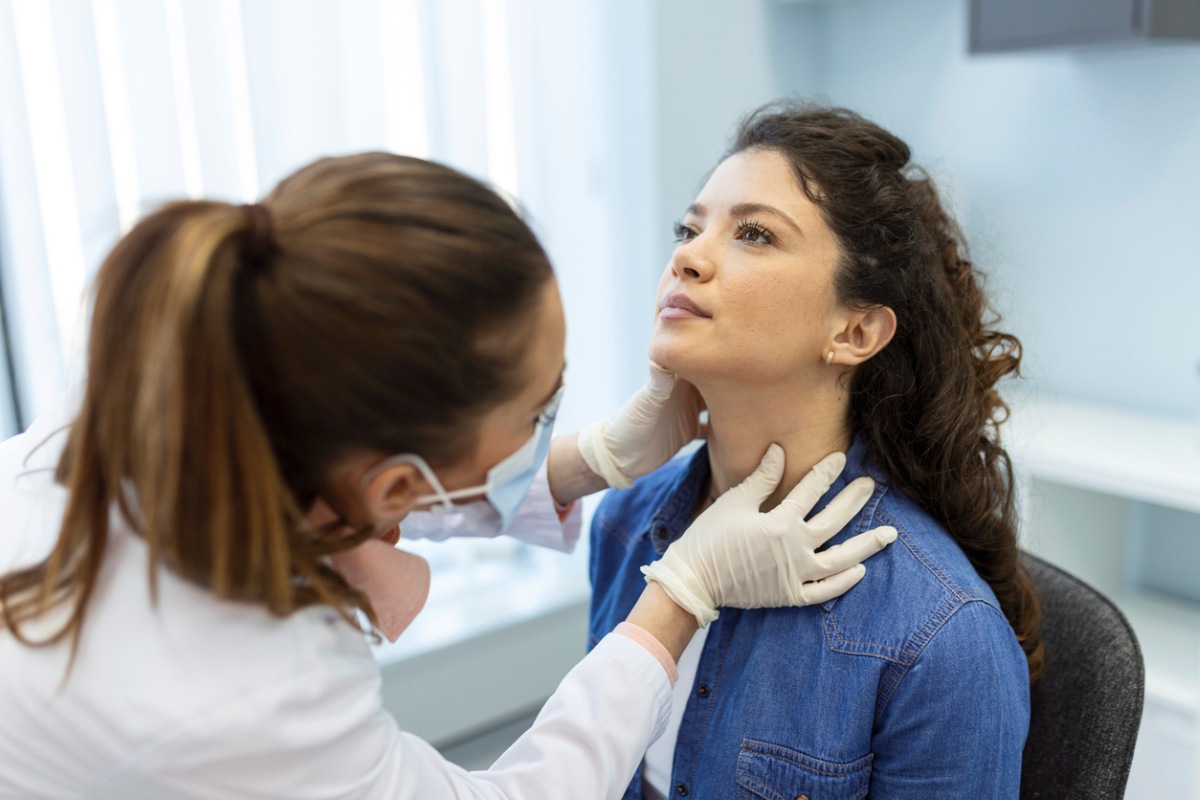
Thyroid health plays a critical role in women’s overall well-being, affecting metabolism, energy levels, fertility, and mood. At each stage of life, the thyroid gland’s function can change, and being proactive about thyroid health can help prevent complications and improve quality of life. Understanding the signs, risks, and management strategies for thyroid health at different ages is key to maintaining long-term wellness.
Adolescence and Young Adulthood
During adolescence, the thyroid supports growth, metabolism, and hormone regulation. While thyroid disorders are less common at this stage, conditions like hypothyroidism and hyperthyroidism can occur. Signs of thyroid dysfunction in teens and young adults include:
- Hypothyroidism (Underactive Thyroid): Fatigue, weight gain, depression, and menstrual irregularities.
- Hyperthyroidism (Overactive Thyroid): Unintentional weight loss, anxiety, rapid heart rate, and excessive sweating.
Since the thyroid is crucial for development, early detection is important. Women with a family history of thyroid disorders should consider screening if they experience symptoms.
Reproductive Years
For women in their 20s to 40s, thyroid health is directly linked to menstrual cycles, fertility, and pregnancy outcomes. Thyroid dysfunction can disrupt ovulation and increase the risk of pregnancy complications. Women trying to conceive or who are pregnant should monitor thyroid function closely, as untreated hypothyroidism can lead to:
- Infertility or difficulty conceiving
- Increased risk of miscarriage
- Preterm birth and developmental issues in the baby
Pregnant women with thyroid conditions require specialized care and medication adjustments to maintain proper hormone balance for both mother and baby.
Perimenopause and Menopause
As women approach menopause, distinguishing between thyroid issues and menopausal symptoms can be challenging due to overlapping signs such as:
- Mood swings
- Fatigue and brain fog
- Weight fluctuations
- Irregular periods
After menopause, thyroid dysfunction becomes more common, affecting up to 20% of women over 60. Regular thyroid screenings during this time help in early diagnosis and treatment.
Older Adulthood (60 and Beyond)
In older women, hypothyroidism often presents with subtle symptoms, sometimes mistaken for aging effects, such as:
- Memory loss and confusion
- Depression or mood changes
- Decreased energy and weakness
Untreated thyroid disorders in older adults can contribute to osteoporosis, cardiovascular disease, and metabolic issues, making regular thyroid function tests essential for long-term health.
Your OB/GYN plays a key role in monitoring your thyroid health because thyroid function is closely linked to reproductive health, pregnancy, and overall well-being. While endocrinologists typically manage thyroid disorders, many symptoms first appear during routine gynecologic visits. Understanding how your thyroid affects different aspects of your health can help you advocate for proper testing and treatment.
Thyroid Health and Menstrual Cycles
The thyroid plays a crucial role in regulating your menstrual cycle. If your thyroid is underactive (hypothyroidism) or overactive (hyperthyroidism), it can cause irregular periods, heavy bleeding, or even missed periods. Some women with undiagnosed thyroid disorders may experience prolonged or very light menstrual cycles, making it difficult to track ovulation.
Since many menstrual irregularities overlap with conditions like polycystic ovary syndrome (PCOS) or early menopause, your OB/GYN may order a thyroid function test (TSH, T3, and T4 levels) to rule out a hormone imbalance. Addressing thyroid dysfunction early can prevent long-term reproductive issues and improve overall hormonal balance.
Thyroid Function and Fertility
If you’ve been struggling to conceive, your OB/GYN may check your thyroid levels as part of a fertility evaluation. The thyroid helps regulate ovulation, and when it is not functioning properly, it can disrupt reproductive hormones like estrogen and progesterone. Hypothyroidism is often associated with anovulation (lack of ovulation), increased risk of miscarriage, and difficulties with embryo implantation.
Even mild thyroid imbalances can interfere with conception, which is why many fertility specialists include thyroid testing as part of preconception care. If a thyroid disorder is diagnosed, treatment with medication like levothyroxine can help restore normal function and improve your chances of a successful pregnancy.
Thyroid Health During Pregnancy
Pregnancy places increased demands on the thyroid, and any dysfunction can lead to complications. The thyroid plays an essential role in fetal brain and nervous system development, particularly in the first trimester when the baby relies entirely on the mother’s thyroid hormones.
Women with untreated hypothyroidism during pregnancy are at higher risk for miscarriage, preterm birth, preeclampsia, and developmental issues in the baby. On the other hand, hyperthyroidism (overactive thyroid) can increase the risk of high blood pressure, low birth weight, and other complications. Because of these risks, your OB/GYN will closely monitor thyroid function during pregnancy and adjust medication as needed to maintain a healthy balance.
Postpartum Thyroid Issues
After childbirth, some women develop postpartum thyroiditis, a temporary condition in which the thyroid becomes inflamed. This condition can cause fluctuations between hyperthyroidism and hypothyroidism, leading to fatigue, mood swings, weight changes, and difficulties with milk supply.
Since many of these symptoms overlap with postpartum depression, thyroid testing is often recommended if a new mother is experiencing extreme fatigue, anxiety, or mood disturbances. While postpartum thyroiditis often resolves on its own, some cases require medication to manage symptoms and prevent long-term thyroid dysfunction.
As women approach menopause, thyroid issues can sometimes be mistaken for menopausal symptoms. Fatigue, mood swings, brain fog, and weight fluctuations are common in both conditions, making diagnosis difficult without blood tests. Women over 50 are more likely to develop hypothyroidism, which can contribute to slower metabolism, dry skin, hair thinning, and joint pain.
Since thyroid disease becomes more common with age, regular thyroid screening can help distinguish between hormonal shifts due to menopause and thyroid dysfunction that requires treatment. If left untreated, thyroid imbalances can increase the risk of osteoporosis, cardiovascular disease, and metabolic disorders.
Many women first learn about thyroid issues through their OB/GYN, especially when experiencing menstrual irregularities, fertility struggles, or pregnancy-related concerns. If you notice unexplained symptoms like fatigue, weight changes, mood disturbances, or trouble conceiving, it’s worth discussing thyroid testing with your doctor.
Take Charge of Your Thyroid Health
Every stage of life presents unique thyroid health challenges, but early detection and proactive management can significantly improve quality of life. If you’re experiencing unexplained symptoms, consider speaking with an OB-GYN or endocrinologist about thyroid screening and treatment options.
References
- UT Physicians. Recognizing Thyroid Disease in Women. https://www.utphysicians.com/recognizing-thyroid-disease-in-women
- British Thyroid Foundation. Thyroid and Menopause. https://www.btf-thyroid.org/thyroid-and-menopause-article
- American Thyroid Association. Thyroid Disease in the Older Patient. https://www.thyroid.org/thyroid-disease-older-patient
- Verywell Health. Hypothyroidism and Diet. https://www.verywellhealth.com/hypothyroidism-diet-8748574