
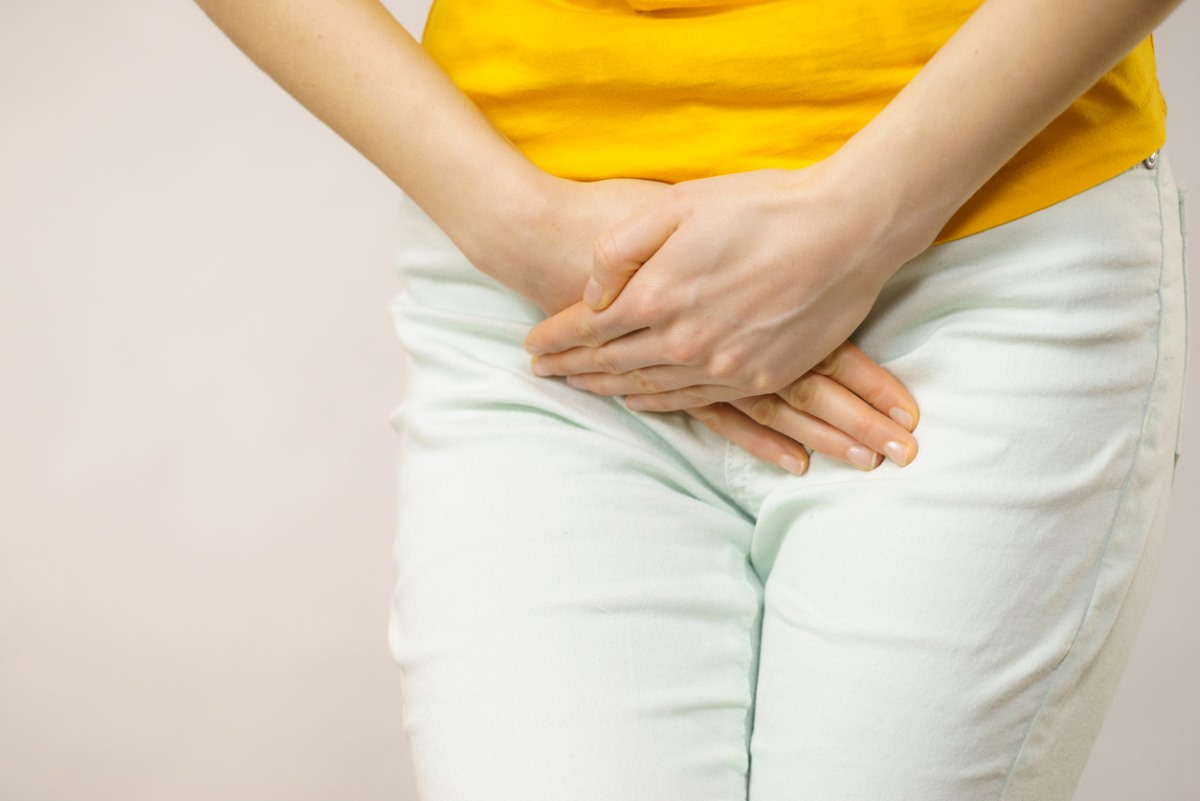
Vaginitis is a general term that refers to the inflammation of the vagina. This may occur when the vagina has an infection or becomes irritated. It is important to find out the cause of the vaginitis. It may be something as simple as irritation caused by using a new soap or something more serious like a yeast infection or sexually transmitted infection (STI).
Symptoms
The general symptoms of vaginitis are:
- Abnormal vaginal discharge
- Vaginal itching or burning
- Pain with sexual intercourse
- Painful urination
More detailed symptoms may be associated with the specific cause behind the vaginitis.
Common Causes of Vaginitis
The following are common causes of vaginitis
Bacterial Vaginosis
A condition that results from a change in the normal bacteria found in the vagina. Essentially, good bacteria in the vagina are overgrown by bad bacteria. Bacterial vaginosis usually presents with abnormal discharge that appears thin, whitish, or gray. There may also be pain, itching, or burning in the vagina. Bacterial vaginosis may resolve independently, but sometimes, it requires antibiotics.
Yeast Infections
These are usually caused by a naturally occurring fungus called candida albicans. A vaginal yeast infection is a fungal infection that causes irritation, discharge, and intense itchiness of the vagina and the vulva. Abnormal vaginal discharge may appear. The discharge can range from slightly watery white to thick, white, and chunky (like cottage cheese). Itching around the vagina and pain with intercourse may also be present. A yeast infection can usually be treated with over-the-counter antifungals specifically designed for yeast infections. However, if this does not work, speak to your doctor.
Sexually Transmitted Infections (STIs)
STIs such as trichomoniasis, chlamydia, or gonorrhea may also cause vaginitis or irritation of the vagina. The herpes simplex virus (HSV) or herpes may also cause vaginitis. In cases where your medical history suggests that an STI is causing the vaginitis, your doctor may inquire about additional symptoms and recommend STI testing. STIs do not always have obvious symptoms, which is why testing is important. If symptoms do occur, they may include abnormal genital discharge, itching, and rashes in the genital area. Treatment is specific to the STI detected.
Non-infection Vaginitis
An infection does not always cause vaginitis. An allergic reaction may also cause it. The most common cause is an allergic reaction or irritation from vaginal sprays, douches, or spermicidal products. Other potential causes of irritation may be:
- Perfumes or body sprays
- Feminine hygiene products
- Wipes, lotions, sexual lubricants or detergents
If your symptoms started just after introducing one of these products into your routine, this may be the cause of the irritation.
Atrophic Vaginitis
Atrophic vaginitis or vaginal atrophy is thinning, drying, and inflammation of the vaginal walls that occurs when the body starts to lose estrogen. Vaginal atrophy occurs most often after menopause. Because the condition causes both vaginal and urinary symptoms, doctors may use the term “genitourinary syndrome of menopause” (GSM) to describe the same issue. If you are nearing menopause or in menopause, vaginitis is likely related to this. If so, speak to your doctor about possible treatments that may help.
Treatment
Treatment of vaginitis will depend on the exact cause.
- Yeast Infections – Can be treated with specific antifungal medications
- Bacterial Vaginosis – Can be treated with a course of antibiotics
- STIs – Should be investigated with further testing to determine the exact infection or virus.
All recommended treatment options will be discussed in detail by your doctor. They will speak to you about the specifics of the treatment, the risks, benefits, and possible alternatives.
When Should You See Your Doctor?
The conditions mentioned above are not an exhaustive list of all issues that can cause vaginitis or vaginal discomfort. Make an appointment to see your doctor if one or more is true:
- Symptoms get worse or don’t get better after a few days
- Symptoms return immediately or shortly after you finish treatment
- You might be pregnant
- You have a new sexual partner and are concerned about STIs
It is important to remember that any vaginal discomfort, including itching, rashes, or discharge, should always be looked at urgently by your doctor. Any changes to the vaginal environment, no matter how small, should not be ignored.