As women, we’re used to thinking about our reproductive health. But our bone health often takes a back seat. Yet osteoporosis, a condition where bones become weak and brittle, affects millions of women, especially as we get older. The good news is that it’s preventable.
At MyOBGYN, we believe in empowering women to take charge of every aspect of their health, and that includes building and maintaining strong bones. In this post, we’ll walk through what osteoporosis is, why it matters, and what you can start doing right now to protect your bones and your future.
What Is Osteoporosis?
Osteoporosis is a disease that causes bones to lose density and strength over time. It happens when your body loses too much bone, doesn’t make enough bone, or both. The result is that bones become porous and fragile. In that instance, even a minor fall, or in some extremely rare cases a sneeze, can lead to fractures.
This condition affects women much more often than men, particularly after menopause. That’s because estrogen, the hormone that helps maintain bone density, drops sharply after menopause. Without that hormonal support, bones can begin to weaken rapidly.
The most common fracture sites in osteoporosis are the spine, hip, and wrist. But even one small fracture can affect mobility, independence, and quality of life. That’s why prevention is so important, and why it should start earlier than many people think.
Who’s at Risk?
Osteoporosis doesn’t show symptoms until a bone breaks. That makes knowing your risk factors even more important. Some risk factors include:
- Being female, especially postmenopausal
- Having a small or thin body frame
- Family history of osteoporosis
- Low calcium or vitamin D intake
- Sedentary lifestyle
- Smoking, vaping, or excessive alcohol use
- Certain medications or medical conditions (like long-term steroid use)
Even if you feel strong and healthy now, osteoporosis could still be on the horizon. Prevention is most effective when it starts early, ideally in your 20s and 30s, when your bones are still reaching peak density.
The Role of Nutrition in Bone Health
You don’t need to overhaul your entire diet to start protecting your bones. But being intentional about what you eat can make a big difference. The most important nutrients for bone health are calcium and vitamin D.
Calcium
Calcium is the building block of bones. Women ages 19–50 need about 1,000 mg of calcium per day; women over 50 need 1,200 mg. Foods high in calcium include:
- Dairy products: milk, yogurt, and cheese
- Leafy greens: kale, bok choy, and collard greens
- Fortified foods: some orange juices, cereals, and plant-based milks
- Almonds, chia seeds, and canned fish with bones (like sardines)
If you’re not getting enough from food, your provider may recommend a supplement.
Vitamin D
Vitamin D helps your body absorb calcium. Without enough of it, even a calcium-rich diet won’t be fully effective. Most adults need about 600–800 IU of vitamin D per day.
Sunlight helps your body produce vitamin D naturally, but many women still fall short, especially during the winter months or if they wear sunscreen regularly (which we do recommend!). Foods with vitamin D include:
- Fatty fish like salmon and tuna
- Fortified milk and cereals
- Egg yolks
Supplements can also help if your blood levels are low.
Building Strong Bones with Exercise
Exercise is one of the best things you can do to prevent osteoporosis. Just like muscles, bones get stronger when you use them. The key is focusing on two main types of physical activity: weight-bearing exercise and resistance training.
Weight-Bearing Exercise
These are activities where you work against gravity while staying upright. They help stimulate bone growth and maintain bone density. Examples include:
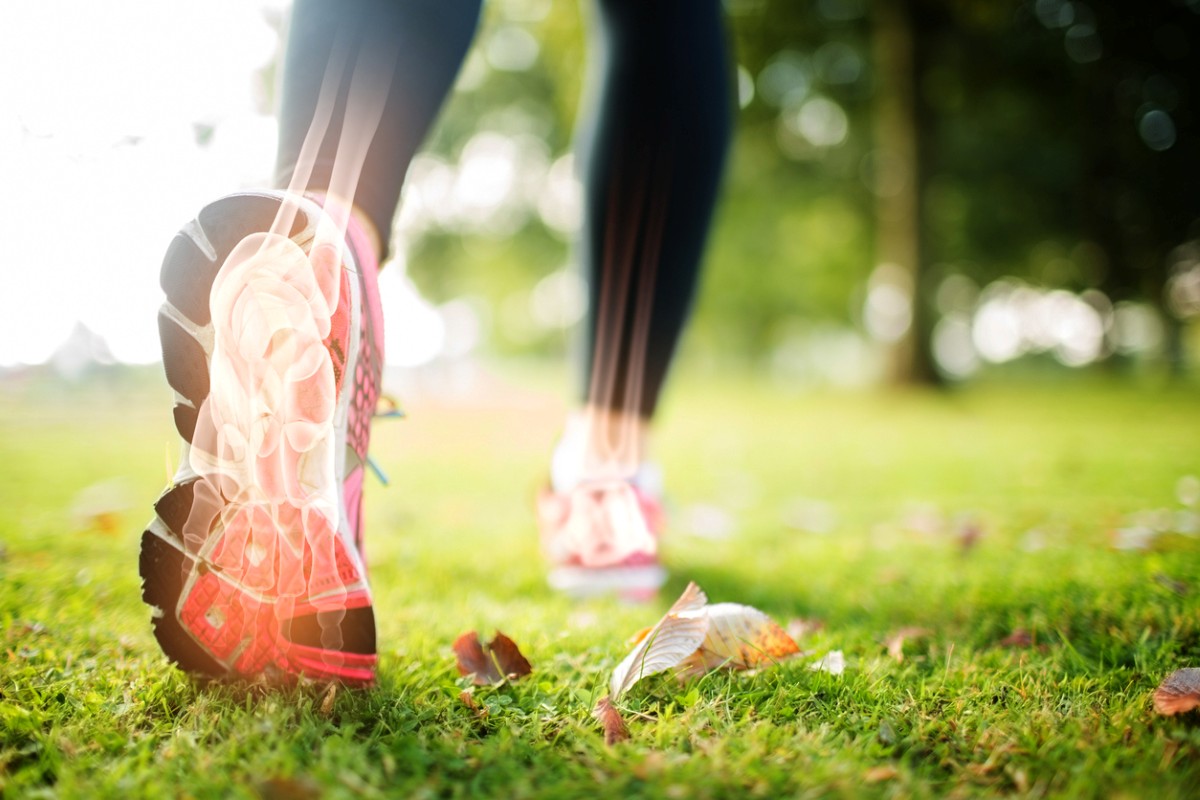
- Walking or brisk walking
- Jogging or running
- Dancing
- Hiking
- Tennis or pickleball
Even a 30-minute brisk walk five days a week can make a difference in your long-term bone health.
Resistance Training
This includes strength training exercises using weights, resistance bands, or your own body weight. It helps build muscle, which in turn supports your bones and reduces fall risk. Try:
- Squats and lunges
- Dumbbell workouts
- Pilates or yoga (for strength and balance)
If you’re new to strength training, start slowly and consider working with a trainer or physical therapist who can show you proper form to avoid injury.
Lifestyle Habits That Make a Difference
Osteoporosis prevention isn’t just about calcium and cardio, it’s also about reducing the habits that can damage your bones over time.
Quit Smoking
Smoking interferes with your body’s ability to absorb calcium and lowers estrogen levels, both of which weaken bones. If you smoke or vape, quitting is one of the best things you can do for your health, including your bones.
Limit Alcohol
Excessive drinking (more than 1–2 drinks per day) can interfere with calcium absorption and increase your risk of falls. Stick to moderate consumption and focus on hydration and nutrition.
Watch Caffeine and Soda Intake
High levels of caffeine and phosphorus (commonly found in colas) may interfere with calcium absorption. While the evidence is still being studied, it’s best to enjoy these in moderation if you’re at risk for osteoporosis.
Screenings and Bone Density Tests
At MyOBGYN, we take a proactive approach to bone health. For women with risk factors, we may recommend a bone density scan (DEXA scan) to assess bone strength. This test is simple, non-invasive, and gives us a clear picture of your bone health.
We typically recommend the first bone density screening for:
- All women age 65 and older
- Postmenopausal women under 65 with risk factors (like low body weight, previous fractures, or family history
If your scan shows bone loss or early signs of osteoporosis, we can help you develop a personalized plan to strengthen your bones and reduce the risk of fractures.
Pregnancy, Menopause, and Bone Health
Women’s hormone levels play a major role in bone density, which is why certain life stages deserve special attention:
Pregnancy and Postpartum
Your growing baby needs calcium, and if you’re not getting enough from your diet, your body will pull it from your bones. Eating well, staying active, and taking prenatal vitamins can help protect your bone health during and after pregnancy.
During Menopause
As estrogen levels drop, the risk of rapid bone loss rises. This is often when osteoporosis starts to develop. That’s why menopause is a great time to check in on your bone health and take preventive steps.
We offer menopause management at MyOBGYN to help guide you through this transition and support both hormonal and skeletal health.
You Deserve Strong Bones for Life
Osteoporosis may be silent, but your prevention plan doesn’t have to be. The steps you take today can add up to a stronger, safer tomorrow.
At MyOBGYN, we’re here to help you build a lifestyle that supports your bones through every phase of life. Whether you’re in your 20s and planning for the future or in your 60s and focusing on staying active, it’s never too early, or too late, to start.
Have questions about your risk for osteoporosis or what you can do to prevent it? Schedule an appointment with our team at MyOBGYN. We’re here to help you stay strong, mobile, and independent.
Book your appointment today and take the first step toward a healthier, more empowered future.