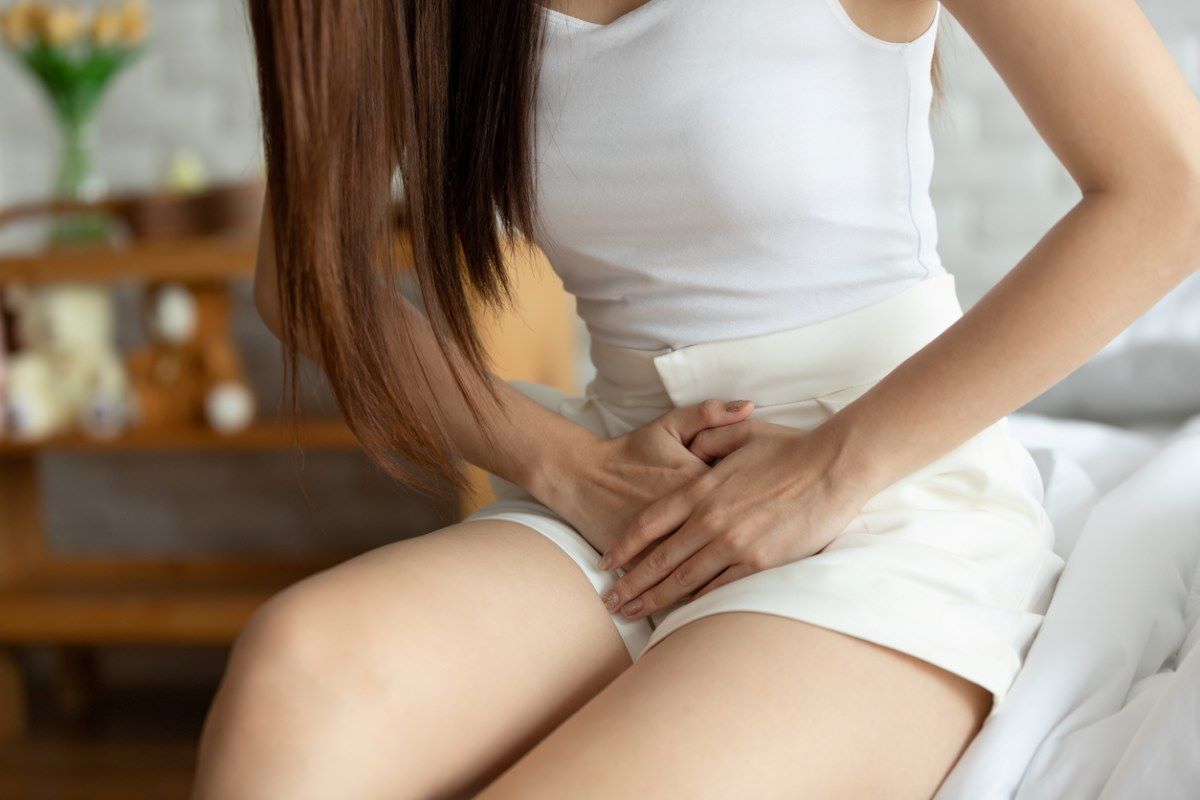
Experiencing discomfort in the vaginal area, characterized by itchiness, irritability, or pain, can arise from various conditions impacting women throughout their lives—the causes of vaginal discomfort range from infections to hormonal changes. Depending on the root cause, various treatment options can be used to help manage the source of the vaginal discomfort.
Symptoms
Vaginal discomfort encompasses various sensations such as itching, burning, irritation, or pain in the vaginal region. These discomforts can disrupt daily life, impact sexual intimacy, and cause significant distress. The following is a brief overview of the signs and symptoms of vaginal discomfort.
- Vaginal itching
- Vaginal odor
- Abnormal vaginal discharge
- Painful sex
Common Causes of Vaginal Discomfort
Vaginitis
Vaginitis occurs when the vagina or vulva has an infection or irritation. Symptoms of vaginitis include vaginal discharge, vaginal itching, burning, and pain with sexual intercourse. Painful urination may also be experienced with vaginitis.
Vaginitis has both infective and non-infective causes. However, for a majority of affected women, vaginitis is caused by Bacterial vaginosis, yeast (candidiasis) infections, and trichomoniasis, a sexually transmitted infection.
Bacterial Vaginosis
A condition that results from a change of the normal bacteria found in the vagina. Essentially, good bacteria in the vagina are overgrown by bad bacteria. Bacterial vaginosis may resolve on its own or require antibiotics.
Yeast Infections
These are usually caused by a naturally occurring fungus called candida albicans. A vaginal yeast infection is a fungal infection that causes irritation, discharge, and intense itchiness of the vagina and the vulva. Treatment for a yeast infection can be sought by using an over-the-counter drug available at most pharmacies.
STIs
STIs such as Trichomoniasis may also cause vaginitis or irritation of the vagina.
Hormonal Changes
Reduced estrogen levels during menopause can lead to thinning, drying, and inflammation of vaginal tissues, resulting in vaginal dryness, itching, and discomfort.
Skin Conditions
Vaginal discomfort may also be caused by a skin condition such as:
Lichen Sclerosus
A chronic skin condition that may affect the genital area, causing itching, white patches, pain during sex, and discomfort due to skin changes.
Eczema or Dermatitis
These are skin conditions affecting the genital area that can cause redness, itching, inflammation, and discomfort.
Allergies or Irritants
Some individuals may experience allergic reactions to certain detergents, soaps, lotions, or latex condoms. This can lead to vaginal discomfort, itching, or irritation. If you have started using a new personal hygiene product recently and started experiencing vaginal discomfort shortly after, this may be a potential cause.
Anogenital Pruritus
Anogenital pruritus is a condition that is defined by intense itching affecting the anal and perianal area. Although women of any age may be affected, it is most commonly seen in postmenopausal women as a result of estrogen deficiency. This may be caused by an infection, allergic reaction, or underlying medical condition. Diagnosis of anogenital pruritus will depend on the history and examination carried out by your doctor. Treatment options may involve ointments, steroid creams, or medications to treat the underlying cause.
Pruritus Vulvae
‘Pruritus vulvae’ simply means itching of the vulva. The vulva is the area of skin just outside the vagina. In women, pruritus vulvae do not usually involve the anal area, although itching usually spreads to the vulva. The itching of the pruritus vulva is persistent and causes distress.
An itchy vulva is a symptom, not a condition in itself. Causes of pruritus vulvae include thrush infections, STIs, or irritation due to soaps or perfumes. Treatment for pruritus vulvae will depend on the underlying cause.
Atrophic Vaginitis
Atrophic vaginitis or vaginal atrophy is thinning, drying, and inflammation of the vaginal walls that occurs when the body starts to lose estrogen. Vaginal atrophy occurs most often after menopause. Symptoms include Painful intercourse, genital itching, burning, or urgency with urination.
Because this condition primarily affects women with menopause, treatments may include a combination of estrogen creams, lifestyle changes, or HRT.
Steps to Reduce the Risk of Vaginal Discomfort
While some causes of vaginal discomfort cannot be prevented, steps can be taken to reduce the risk:
- Practice good hygiene, using mild, unscented soaps and avoiding harsh chemicals in the genital area.
- Wear breathable cotton underwear to promote air circulation and prevent moisture buildup.
- Practice safe sex by using condoms and having regular screenings for sexually transmitted infections.
- If you experience persistent vaginal discomfort or notice any unusual changes in vaginal discharge or appearance, it’s essential to seek medical advice. Additionally, seek prompt medical attention if you suspect a sexually transmitted infection or have pain during sexual activity.
Any vaginal discomfort that is recurring, persistent, or does not improve with recommended treatments should not be ignored. Your doctor must investigate all causes of vaginal discomfort. promptly
References
https://www.ncbi.nlm.nih.gov/pmc/articles/PMC4866230/